


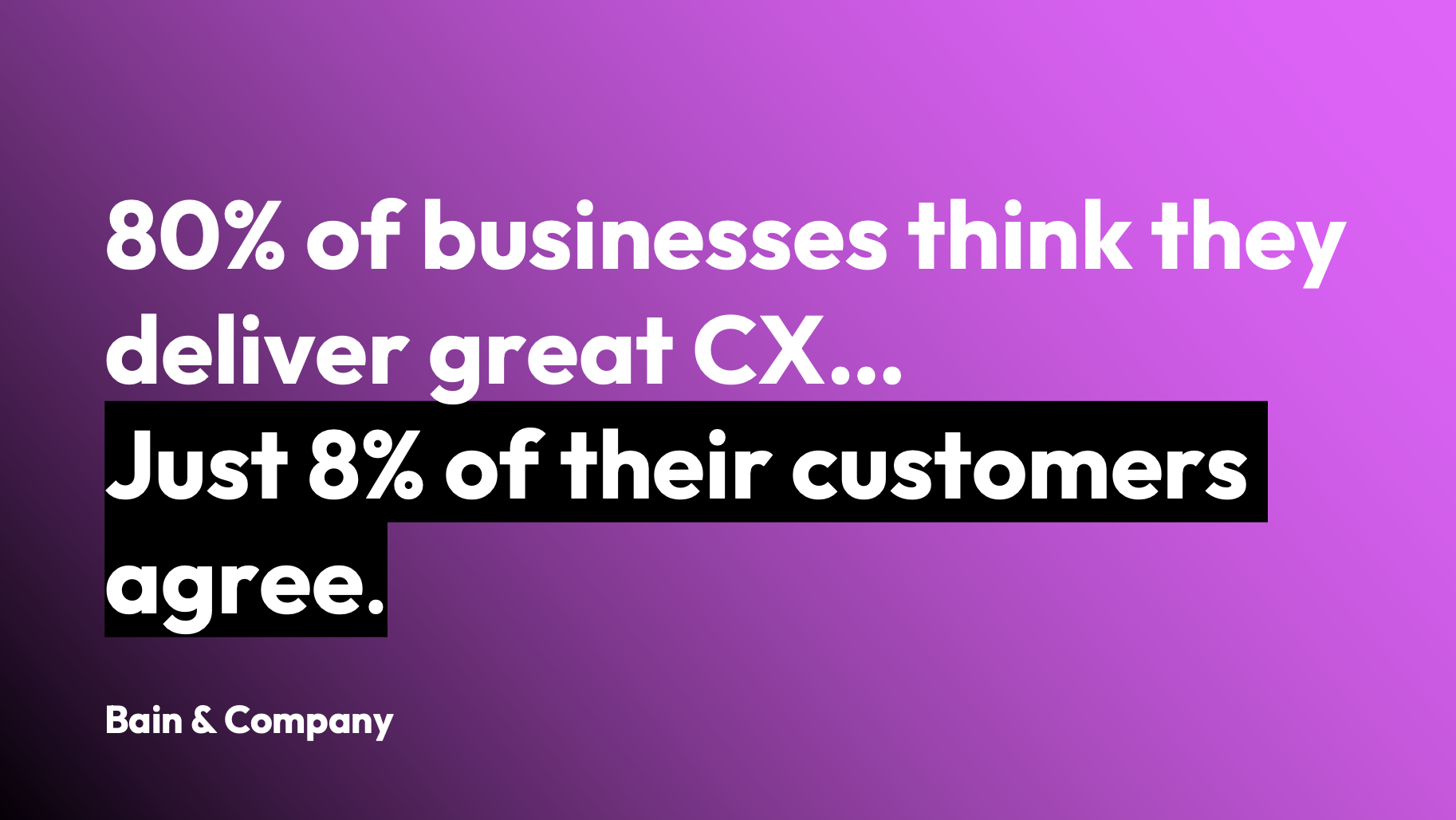
80% of businesses believe they deliver a superior CX, but only 8% of their customers agree (Bain 2025). The gap shows up in avoidable contacts, long handling times and customers who quietly drop out of journeys altogether..
CX audits are our lighthouses when optimising customer journeys. Mazaru’s Creative Services Director Susie Lealan, and CX Kingpin Liza Royal, give us the tea on what CX audits actually do.
Establish Trust
First impression and follow-up are the most crucial stages of a customer journey. “These stages establish trust,” says Susie. “Even if you don’t have a concrete update, reassure your customer you haven’t forgotten them and will have one soon. Transparency instils confidence, but going quiet loses trust.”
Don’t Be Try-Hard
Trust is easy to lose: 96% of customers will leave a brand after a bad experience (Microsoft State of Global Customer Service Report). “If something is hard work, customers switch off,” Liza says. “Customer effort is one of the main things Mazaru audits. You need to give them the easiest route possible”. Susie will never audit an IVR without going online first. “Most people pick up the phone as a last resort, and they definitely won’t want to call two different numbers.”
Cut through Confusion
If company correspondence with a customer generates more contact back in, it’s often because something hasn’t been clear earlier up the chain. CX audits find these tripwires in communication. Maybe it’s a dense IVR script, vague FAQs or a chatbot creating white noise. Asked how they find these needles in virtual haystacks, Susie and Liza say “always begin with the customer. An audit asks what problem the customer is experiencing and what consequent problem the business is having. Our job is to find the easiest possible solution for both parties. This can involve content, working, layouts, tone of voice, as well as operational structures and tech ecosystems.”
Feel for Customers
“It’s about thinking where people are when they contact you,” Susie emphasises. “If they’re vulnerable then that impacts the language we use to connect with them. Maybe they’re on the side of the road in need of assistance, or financially stressed about paying a bill. Or maybe they’re booking a holiday and loving life? This all dictates the most effective shape of their customer journey.”
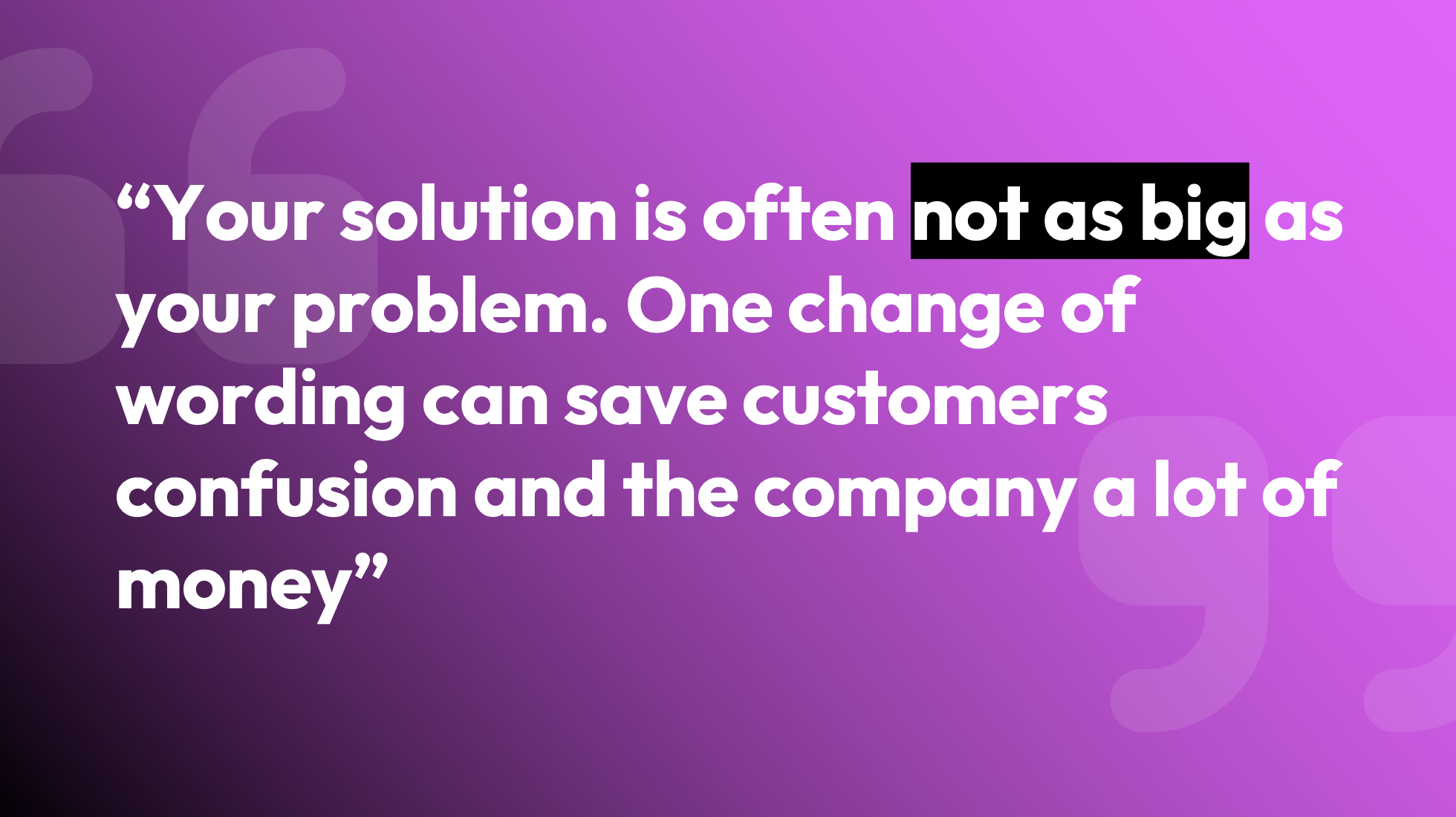
Human nuance gets lost when companies are caught up in internal processes. This is when customers slip through the net, like silently dropping out of journeys because a VA doesn’t understand their email address for the fifteenth time. “Rather than thinking about your process, it’s about remembering how your customer feels in that process,” says Liza. “Our work is based in behavioural science and how our brains process things.” This approach to CX audits nurtures the customer’s needs and finds quick wins for the business. “Your solution is often not as big as your problem,” Susie says. “It’s not uncommon for one change of wording to save customers confusion and the company a lot of money.”
Sense-check Self-service
Challenged about when self-service is the best option and when it's best avoided, Susie and Liza are firm that one size does not fit all. “We always consider the customers’ needs, but customer needs are always bespoke. Customers paying bills often prefer to self-serve rather than sit in a call queue, but if your husband’s just died, you never want to speak to a bot to take his name off the bill. It's a case-by-case basis.”
⚡ “When self-service is genuinely quicker and more effective for the customer, we need to communicate this so they don’t feel sidelined,” Liza adds. Take a woman needing roadside recovery. She would benefit faster from in-app geolocation than waiting to share a postcode over the phone. “It all comes back to trust,” says Susie.
Tend To Tech
CX audits also reveal the efficacy of clever tech. “Tech can intuit customer needs, streamline journeys and deal incredibly with transactional needs, but it requires contemporary data to do this,” says Susie. “You can’t implement tech then forget about it. You have to maintain it effectively, without overengineering it.” Audits help to strike this balance, particularly in journeys across multiple channels, Liza says. “One of the biggest CX problems is that organisations are often siloed, meaning different channels are designed not to speak to each other. If you introduce a new price plan, for example, is that reflected in the app, the IVR and the website? Journeys need to join up”.
The Audit Effect
Audits identify where channels should better mirror each other, where tech needs up-to-date intel, self-service options can be more effectively signposted and communication can clarify itself. The customer and company benefits of treating these pain points is measured via specific data, Susie adds. The skill lies in using that data to interpret the wider story of what the customer is going through.
If it sounds a little overwhelming, the point of a CX audit is to remove that overwhelm. Mazaru’s model partners with businesses to implement change long-term. “We have an eye on your blindspots. We unpick your customer journeys across all your channels and anticipate the domino effect of each change as we make it. Which saves a lot of time and energy down the road…” says Liza.
✨Pressed for a golden rule of CX auditing, Susie offers a single prompt:
‘How would I feel?’
♟️📍CX Audits are the missing pieces for connecting business with your customer’s actual experience. If you’d like some help cutting through the white noise of your customer journeys, drop us a line.